Melatonin has the strongest evidence of anything sold for sleep, and most products get its dose wrong. Magnesium has modest trial support, with small effects on insomnia and the most heavily marketed form carrying the weakest evidence. Everything else in this category ranges from plausible to barely studied. This guide ranks what the published trials support, in the order worth trying, starting with the changes that cost nothing and outperform the entire shelf.
Step 1: What beats every supplement on this page
Cognitive behavioural therapy for insomnia is the first-line treatment for chronic insomnia in clinical guidelines, and it outperforms sleep supplements in head-to-head research. It is not a pill, so nobody advertises it to you. Alongside it, a handful of free habits do more than most bottles:
- Keep the same wake time every day, including weekends. This anchors the body clock more than bedtime does.
- Get daylight early. Morning light exposure is the strongest signal your circadian system responds to.
- Cut alcohol in the evening. It shortens time to fall asleep and then fragments the second half of the night.
- Stop caffeine by early afternoon. Its half-life is long enough that a 4pm coffee is still working at midnight for many people.
- Get out of bed if you are awake more than about 20 minutes. Lying awake trains the brain to associate bed with wakefulness, which is precisely what CBT-I unpicks.
Step 2: The ingredients with real trial evidence
| Ingredient | Evidence grade | Best for | The dose that was actually studied |
|---|---|---|---|
| Melatonin | STRONGEST | Falling asleep faster, and shifted body clocks | Benefit peaked near 4 mg/day, about 3 hours before bed (PMID 38888087). Effect in insomnia is modest, roughly 7 minutes (PMID 23691095); in delayed sleep phase it is around 39 minutes (PMID 21120122) |
| Magnesium L-threonate | MODERATE | Sleep quality and next-day function | 1 to 2 g/day in randomized trials (PMID 39252819). Form and dose both matter; other magnesium salts were not what was tested |
| L-theanine | MIXED | Winding down, subjective calm | Often tested combined with other compounds, which muddies attribution |
| Tart cherry | LIMITED | A mild natural melatonin source | Small trials, mostly athletes post-exercise, plus pilot work in older adults |
| 5-HTP | MIXED | Sleep and mood, via serotonin | Carries a real interaction caution with antidepressants. Read the safety section |
| GABA (oral) | LIMITED | Marketed for calm | Crosses the blood-brain barrier poorly; the human evidence stays contested |
| Valerian, lemon balm, apigenin | LIMITED | Traditional calming botanicals | Small, mixed, and inconsistent human data |
The dose mistake almost every sleep formula makes
This is the single most useful thing on this page. A dose-response meta-analysis pooled 26 randomized trials and mapped melatonin dose against effect. The benefit rose to about 4 mg per day, and timing mattered as much as amount: taking it roughly three hours before the target bedtime outperformed the common habit of 2 mg half an hour before (PMID 38888087). Plenty of blended sleep products contain well under 1 mg, which is below the range that produced the pooled result. If melatonin is the reason you are buying a product, check the number on the label first, because you can buy it alone at a studied dose for very little.
Match the ingredient to your actual problem
- You cannot fall asleep, but sleep fine once you do: melatonin is the best-evidenced option, taken earlier in the evening than most people take it.
- Your body clock is shifted, you are a natural late-nighter forced to wake early: melatonin again, and this is where it performs best by a wide margin.
- You fall asleep fine but wake through the night: melatonin is not aimed at this. Look at alcohol, room temperature, and whether apnoea is being missed.
- You lie awake with a racing mind: the calming botanicals are the plausible-but-thin lane. CBT-I addresses this directly and has far better evidence.
- You are exhausted regardless of hours slept: that is a doctor's question, not a supplement one. Thyroid, iron and apnoea are all worth ruling out.
Safety, briefly but seriously
- 5-HTP with SSRIs, SNRIs or other serotonergic medication: avoid without medical supervision, because of the theoretical serotonin syndrome risk. This appears in many blended sleep products without a warning.
- Melatonin can leave some people groggy the next morning, or produce vivid dreams.
- Sedating supplements plus an early drive is a bad combination until you know how you react.
- Pregnancy and breastfeeding: safety data is inadequate for most of these. Ask a clinician.
If you want a combined formula
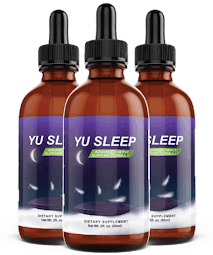
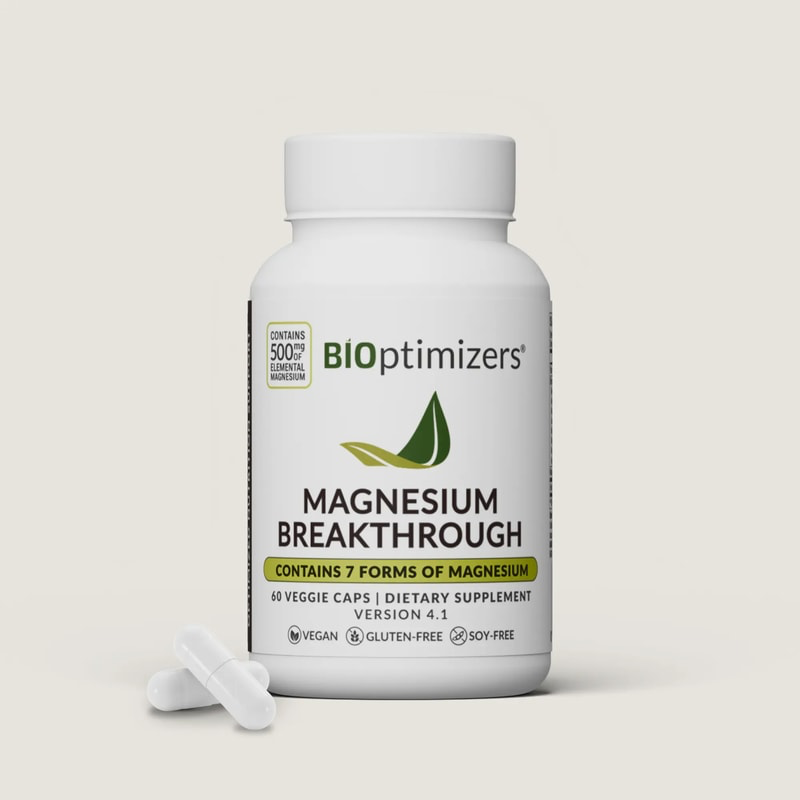
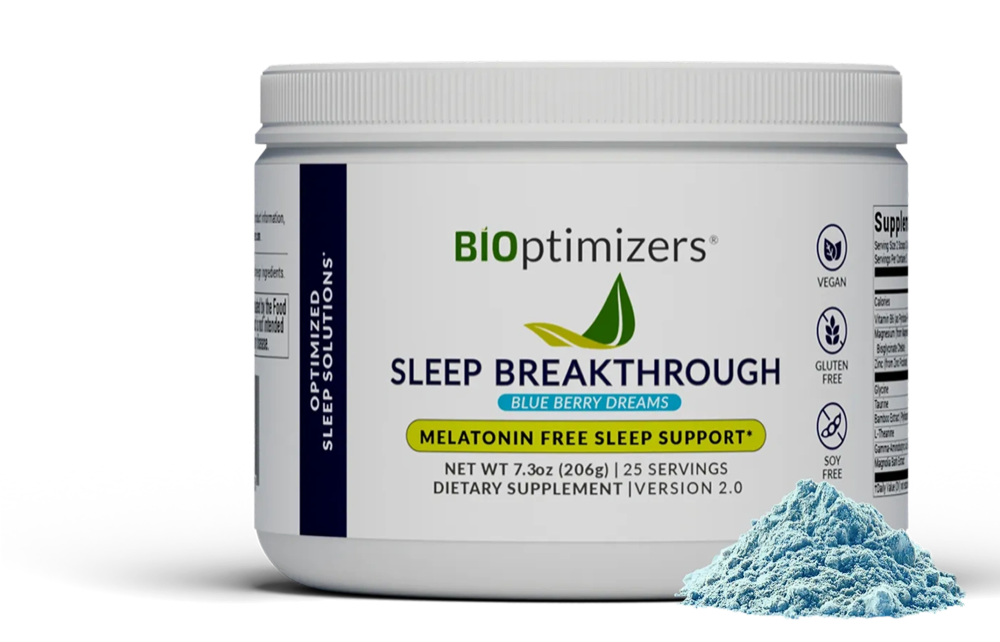
Blends are convenient, and they hide doses. The checklist is short: melatonin should be stated in milligrams on the label, the magnesium form should be named, and anything containing 5-HTP should carry an interaction warning. A single proprietary blend weight covering eight ingredients tells you almost nothing. We applied exactly this checklist to one of the more popular liquid formulas in our Yu Sleep review, including where its ingredient choices are sensible and where its doses fall short of the studies. We did the same for a magnesium-only product in our Magnesium Breakthrough review: a real 500 mg dose, but seven forms with no per-form amounts on the label. Our Sleep Breakthrough review looks at a melatonin-free drink that prints every dose: its L-theanine and glycine match the trials, and most of the rest does not.
Realistic expectations
The honest ceiling here is modest. The best-evidenced supplement in the category moves sleep onset by minutes for most people with ordinary insomnia, and considerably more only when the underlying problem is a shifted body clock. Fix the free things first, pick one ingredient aimed at your actual complaint, give it two weeks, and see a doctor if the problem has been running for months. That is less appealing than a bottle that promises deep sleep tonight, and it is what the evidence supports.
Frequently Asked Questions
What is the best supplement for sleep?
Melatonin, for falling asleep, and it is not close. It has the largest body of randomized evidence of anything sold for sleep. But the effect is modest in ordinary insomnia, about seven minutes faster to sleep (PMID 23691095), and much larger if your body clock is genuinely shifted (PMID 21120122).
Does magnesium help you sleep?
The best recent trial gave 155 adults elemental magnesium daily and found a small improvement in insomnia severity over placebo (PMID 40918053). The L-threonate trial behind most sleep marketing (PMID 39252819) was small and short, and its gains came mostly from a consumer sleep ring. Expect a modest effect from any well-absorbed form, not a fix. Our magnesium for sleep guide goes through each form.
Do I need a high dose of melatonin?
Not high, but probably higher than most blends contain. A dose-response meta-analysis of 26 trials found the benefit peaked around 4 mg/day, taken roughly three hours before bed rather than at bedtime (PMID 38888087). Many sleep formulas contain under 1 mg.
Is it safe to take sleep supplements every night?
Melatonin is generally well tolerated short term. The bigger issue is what else is in the bottle: 5-HTP should not be combined with antidepressants without medical supervision, and anything sedating deserves care if you drive early. Long-running insomnia should be assessed by a doctor rather than managed indefinitely with supplements.
What works better than supplements?
Cognitive behavioural therapy for insomnia (CBT-I) outperforms supplements in the research and is the recommended first-line treatment for chronic insomnia. Light exposure timing, a consistent wake time, and cutting evening alcohol also do more than most pills.